The Power of Customer Reviews and How to Manage Them in a Changing Landscape
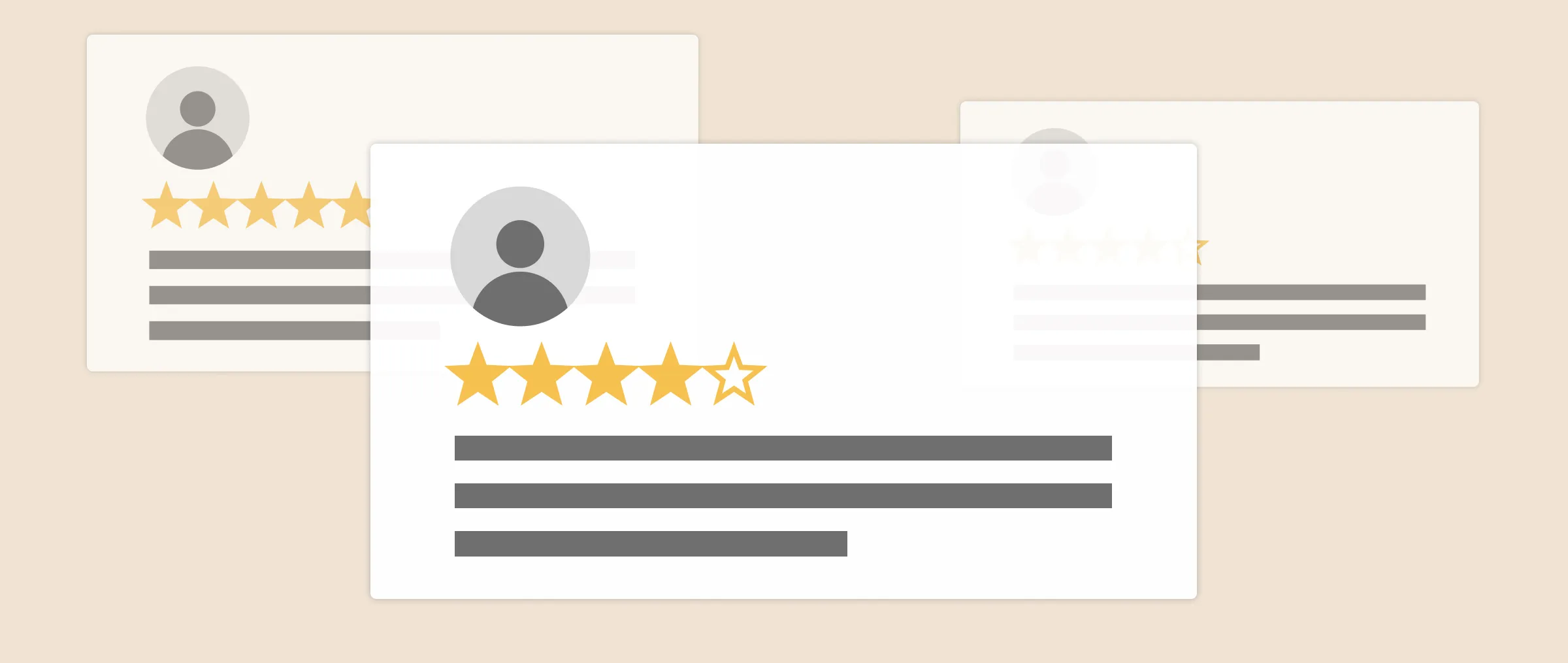
Think of the last time you purchased a new product or service. Chances are high you read customer reviews beforehand. In fact, a whopping 97% of customers read reviews to guide their decision-making process, according to a 2026 survey by BrightLocal.
That may not come as a big surprise. Online reviews have been one of the most powerful drivers of trust and decision-making for quite some time now. Reviews are not only critical in shaping customer opinions, but also influence visibility in search results on Google and social platforms, and now LLMs like ChatGPT.
What may come as a surprise is that the way people find and use reviews is changing. I’ll break down these changes and what they mean for your business. I’ll also explain how you can continue to develop a trusted reputation that delivers growth.
Where people look for reviews is shifting.
With the rapid growth of video content and AI, people are looking for reviews beyond Google. The average consumer uses six different review sites when choosing a business (source: brightlocal).
What does this mean for your business?
It doesn’t mean ignore Google. This is still one of the most visited places people go for reviews, so getting your business set up with a Google Business Profile is still highly recommended. But it does mean that solely relying on Google isn’t enough.
Ensure your business is set up to receive reviews in several places, beyond Google. This could be video platforms such as YouTube, Instagram, or TikTok. It could also be traditional sites such as Facebook, TripAdvisor, BBB, or TrustPilot, among others. The platforms your business should have a presence on and collect reviews from depend on where your customers are. If your customers are there, you should be there too.
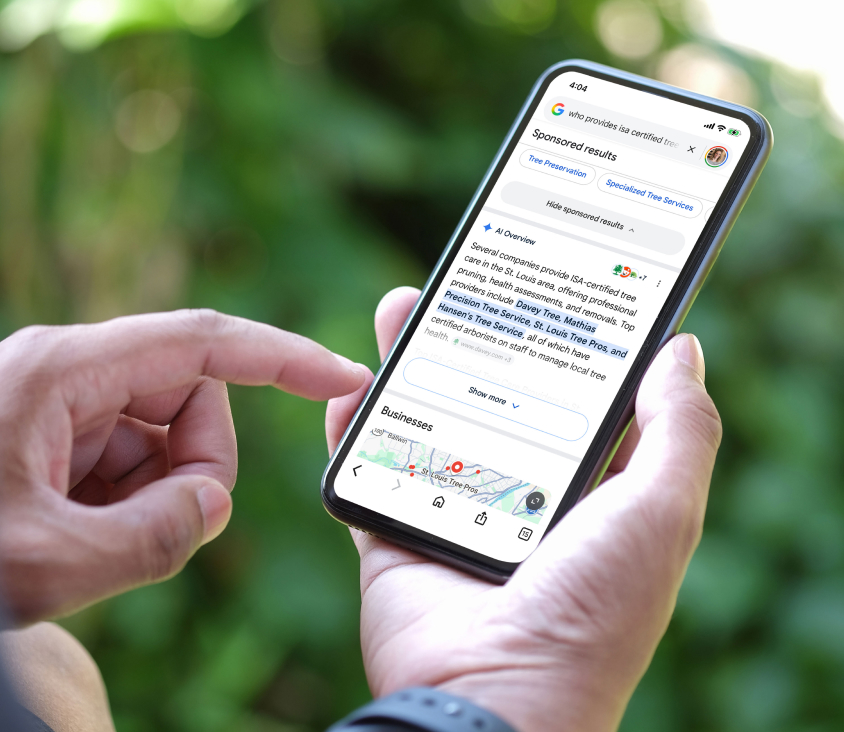
Don’t forget about LLMs such as ChatGPT and AI search. Use of AI tools for local recommendations has grown rapidly, rising from 6% last year to 45%—becoming the third most popular source of business recommendations (source: brightlocal). Make sure your website infrastructure is set up properly and content is formatted properly (including FAQs), so AI-systems can read and cite your site.
Consumers expect higher ratings and more recent reviews.
The bar for earning trust is higher than it used to be. This could be due to the rise of AI and the increasing amount of fake videos, or the increased awareness of sponsored testimonials. Regardless of the reason, studies show that customers expect businesses to have a higher star rating (31% of consumers will only use a business that has 4.5+ stars) and more recent reviews (74% only care about reviews written in the last three months) than they did before.
What does this mean for your business?
Consistency is key. Review collection should be continual, not occasional. Reaching out for a handful of reviews to get you up and running, and then stopping any additional efforts won’t cut it. The reviews will become stale within a few months. Without a steady flow of new positive reviews, most customers won’t take action. The survey by BrightLocal, shows that 32% of customers look for reviews written within the last two weeks.
Make it easy to leave a review. Most customers are willing to give reviews if you ask at the right time. After a sale or completion of a service, ensure you have a system in place that prompts customers to leave a review. This could be an email that gets triggered after a sale, a QR code on a leave-behind brochure, or simply a personalized follow-up email to your client asking for a review after completion of a service. If you have a system in place, it will simply become part of your normal sales cycle, rather than an afterthought months down the road. At that point, the window for your customer to leave a review will likely be closed.
Adding an incentive to leave a review, such as a percentage off the next purchase, is a good way to encourage positive reviews and increase your star rating. People love to leave reviews when they are unhappy, but they are less likely to leave a review when they are happy. By adding an incentive, you are more likely to encourage positive reviews. A good product and great customer service goes a long way too. 😉
Customers expect a personalized and nearly immediate response.
Consumers pay close attention to review responses and now expect a personalized response almost immediately—most want a response the following day or within a week at most. 42% of consumers are unlikely to use a business that ignores its reviews entirely (source: brightlocal).
What does this mean for your business?
Gathering reviews isn’t enough—you must also take the time to respond, and do it quickly. Understandably, a small business likely doesn’t have the capacity to respond to every single review immediately, but ignoring reviews can be almost as damaging as having no reviews at all.
Consider taking advantage of review management tools to help you monitor and more promptly respond to reviews. Just be sure that you’re not only using templated responses, since this can also have a negative impact.
This doesn’t mean you have to start from scratch every time. AI tools can be very helpful in starting the response, but then tailor it to your own voice to make it feel more genuine and less generic.
Final Thoughts
Online reviews are a core part of how customers discover, evaluate, and choose businesses. As consumers spread their attention across review platforms, social media, and AI-powered search, businesses need to take a broader, more consistent approach to reputation management.
The good news is that the fundamentals haven’t changed. Deliver a great customer experience, make it easy for happy customers to share their experiences, keep your reviews fresh, and respond thoughtfully when they do. The difference today is that these efforts need to happen consistently and across the places where your customers, and the AI tools they use, are looking.
Your reputation is being built every day, whether you’re actively managing it or not. By making review generation and response part of your regular marketing and customer experience strategy, you can build the trust that turns searches into customers and customers into long-term advocates.
Of course, most consumers don’t rely on reviews alone. Their next step after reading reviews is visiting your website, social profiles, and business listings. Ensure these properly reflect your business and make it easy for consumers to take action.
And if you need help getting any of this set up or simply have a question about how to get started, we’re here when you need us!